It gives me immense pleasure and honour to extend my warm greetings to all members of the Society of Clinical Anatomists (SOCA), India, and to anatomists, clinicians, researchers, educators, and students across the country and around the world.
The Society of Clinical Anatomists, India, was established in 2011 with a vision to strengthen and advance the discipline of clinical anatomy through academic excellence, scientific collaboration, innovation in medical education, and meaningful integration of anatomy with clinical sciences. Over the years, SOCA has grown into much more than a professional organisation; it has become an academic family united by a shared passion for teaching, research, learning, and service to humanity.
Anatomy is often regarded as the foundation of medicine, but for many of us, it is much more than a subject. It is the science that teaches us to understand the human body with precision, respect, and compassion. In today's rapidly evolving medical world, the role of anatomy extends far beyond traditional dissection halls. Clinical anatomy now forms the backbone of surgery, radiology, diagnostics, interventional sciences, medical simulation, and translational research. SOCA remains deeply committed to ensuring that anatomy continues to evolve with modern medicine while preserving the depth, discipline, and values that define our profession.
SOCA is dedicated to the welfare, growth, and academic empowerment of clinical anatomists at every stage of their journey. We work to create opportunities for collaboration among anatomists, clinicians, surgeons, radiologists, and researchers, building a vibrant platform for interdisciplinary learning, professional networking, and scientific exchange.
However, the true future of anatomy lies in the hands of our young anatomists: our postgraduate students, early-career teachers, researchers, and budding academicians. They are not only the future custodians of anatomical sciences but also the future mentors, innovators, and leaders who will shape medical education in the years to come.
As teachers and seniors, it is our collective responsibility to inspire them, guide them, and create an environment where their curiosity, creativity, and scientific spirit can flourish. Many young anatomists enter this field with dreams, enthusiasm, and immense potential, but they also face challenges, uncertainties, and the pressures of a rapidly changing academic landscape. SOCA firmly believes that every young anatomist deserves encouragement, mentorship, opportunities for growth, and recognition for their hard work.
Through conferences, workshops, faculty development programmes, research collaborations, scientific presentations, and academic initiatives, SOCA continues to nurture and motivate the next generation of anatomists. We strongly encourage young scholars to ask questions, pursue innovation, engage in ethical research, and contribute confidently to the advancement of medical science. Their energy, ideas, and dedication are the driving force that will keep anatomical sciences vibrant, relevant, and globally respected.
As Vice President of SOCA, India, I feel immensely proud to witness the remarkable growth and expanding global recognition of our academic fraternity. The increasing participation of anatomists from India and abroad, the rising quality of scientific contributions, and the growing interdisciplinary collaborations reflect the collective dedication, hard work, and academic spirit of the SOCA family.
A major pillar of this academic journey has been the steady progress of the National Journal of Clinical Anatomy (NJCA), the official journal of SOCA, India. Since its inception in January 2012 at Salem, Tamil Nadu, under the visionary guidance of our Founding Editor-in-Chief, Dr. N. Muthukumaravel, the journal has consistently worked towards promoting quality research in clinical anatomy and allied disciplines.
Over the years, NJCA has achieved several important milestones, including indexing in DOAJ, Scopus, EMBASE, and Scimago, with the journal attaining Q3 status in 2026 and an SJR Score of 0.208. Its inclusion in the Emerging Sources Citation Index (ESCI) of Web of Science in 2025 stands as testimony to the sincere efforts and dedication of our editorial board, reviewers, authors, and the entire SOCA fraternity.
The vision of NJCA is not merely to publish research papers, but to create a respected global platform that encourages innovation, academic integrity, interdisciplinary dialogue, and clinically relevant anatomical research. The journal aspires to inspire young researchers, support emerging scholars, and showcase India's growing contribution to medical science and healthcare education.
As Editor-in-Chief of NJCA, I warmly encourage anatomists, clinicians, surgeons, radiologists, medical educators, and especially young researchers from India and abroad to contribute their valuable scholarly work to the journal and become active partners in strengthening the global presence of Indian anatomical sciences.
The future of anatomy depends not only on knowledge, but also on our ability to mentor, inspire, innovate, and support one another. Together, we must continue to build an academic culture rooted in integrity, compassion, scientific excellence, and mutual respect.
On behalf of the Society of Clinical Anatomists, India, and the Editorial Board of NJCA, I express my heartfelt gratitude to all members, teachers, reviewers, contributors, and students whose dedication continues to strengthen our academic community. Let us move forward together with renewed commitment and collective vision toward advancing clinical anatomy, empowering future generations of anatomists, and contributing meaningfully to global medical education and research.
With warm regards and best wishes,
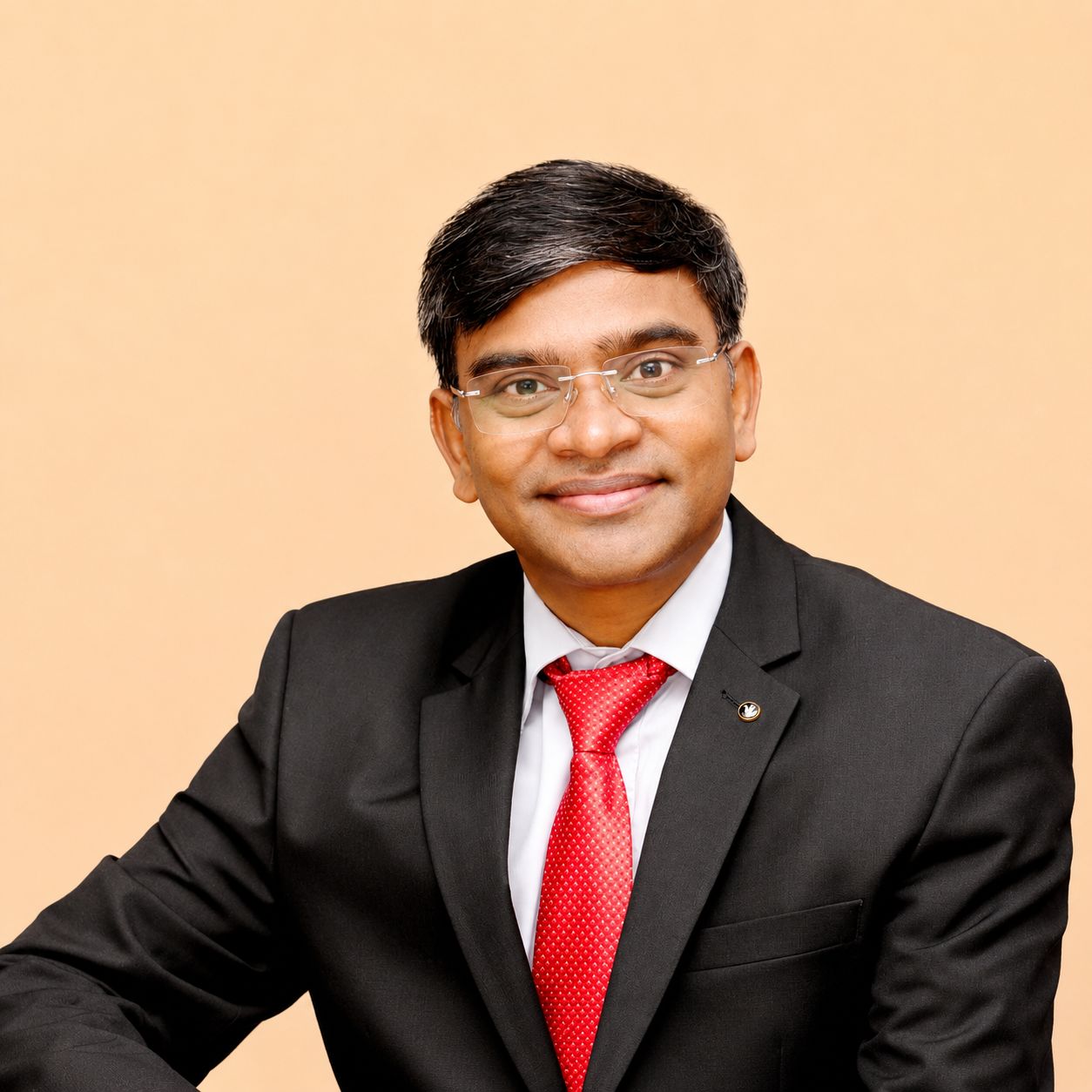
Prof. (Dr.) Kumar Satish Ravi
Vice President, Society of Clinical Anatomists, India
Editor-in-Chief, National Journal of Clinical Anatomy (NJCA)